by gentlelifehacks | Jul 6, 2026 | Coping skills, Health & Wellness, Lifestyle
Entering the golden years often brings a change in pace, but the fundamental human need for love and connection remains as strong as ever. For those aged 65 and above, having a loving companion isn’t just a luxury—it’s a vital component of a healthy and happy life.
1. Emotional Support and Security
Life after 65 can involve significant transitions, such as retirement or changes in health. A loving companion provides a consistent source of emotional support, offering a safe space to share fears, joys, and the daily experiences that make life meaningful.
2. Combatting Loneliness and Isolation
Social isolation is a growing concern for seniors. A companion ensures that there is someone to talk to, share meals with, and engage in activities. This constant presence is a powerful shield against the depression and anxiety often linked to loneliness.
3. Physical Health and Safety
Beyond emotional well-being, companions play a practical role in physical safety. Whether it’s noticing a change in health symptoms, assisting with mobility, or ensuring medications are taken correctly, having a partner can lead to better health outcomes and quicker responses in emergencies.
4. Shared Purpose and Joy
A loving relationship encourages seniors to stay active and engaged. From traveling and pursuing hobbies to simply taking daily walks, shared experiences bring a renewed sense of joy and purpose to every day.
by gentlelifehacks | Jul 6, 2026 | Health & Wellness, Healthy living, Lifestyle
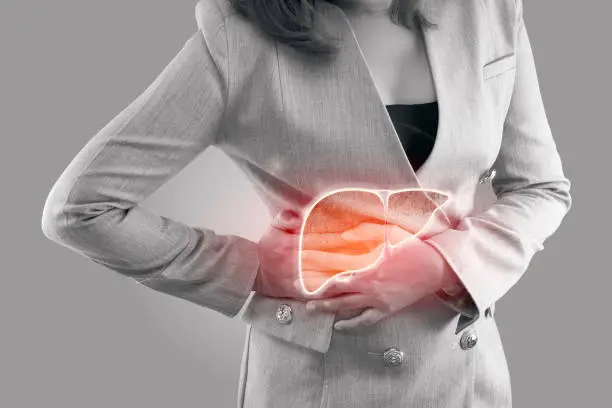
Fatty liver disease occurs when too much fat builds up in liver cells. While it’s normal to have a tiny amount of fat in these cells, the liver is considered “fatty” if more than 5% to 10% of its weight is fat. This condition can be silent, often showing no symptoms until it progresses.
Navigating a Healthy Lifestyle
The good news is that fatty liver is often reversible through lifestyle changes. Here is how you can navigate a healthier path:
- Focus on Whole Foods: Incorporate more fibre-rich vegetables, fruits, and whole grains while reducing processed sugars and high-fructose corn syrup.
- Stay Active: Aim for at least 150 minutes of moderate-intensity aerobic activity per week. Exercise helps burn triglycerides for fuel and can reduce liver fat.
- Monitor Portions: Maintaining a healthy weight is one of the most effective ways to manage liver health.
- Stay positive: As we age it is normal to have some symptoms that can be concerning, but If you know what you need to do then often it is as simple as adapting your lifestyle to follow the guidelines for a healthy lifestyle.
- For more information see Health direct.au and click here
Note: Always consult with a healthcare professional before making significant changes to your diet or exercise routine.
by gentlelifehacks | Oct 6, 2025 | Coping skills, Health & Wellness
Narcissism is more than just self-confidence—it’s a personality trait that can impact relationships, workplaces, and well-being. Recognising narcissistic behaviour early can help you set healthy boundaries and protect your mental health. Here are some common signs to look out for:
- Constant Need for Admiration: Narcissists crave excessive praise and attention. They may fish for compliments or become upset if they feel ignored.
- Lack of Empathy: They often struggle to understand or care about others’ feelings, making them appear cold or dismissive during emotional situations.
- Sense of Entitlement: Expecting special treatment or believing rules don’t apply to them is a hallmark of narcissistic behaviour.
- Manipulative Actions: Narcissists may use guilt, flattery, or threats to get what they want, often at the expense of others.
- Difficulty Accepting Criticism: They react defensively or aggressively to feedback, rarely admitting mistakes.
- Grandiosity: Exaggerating achievements, talents, or connections is common, as is boasting about their superiority.
If you notice these patterns in someone, awareness is the first step to protecting yourself and fostering healthier relationships.